

Start a family food business in Indiana: home kitchens, online orders and the 2026 law
Explore the opportunity for home kitchens, the rules around online sales and delivery, and practical ways to build something as a family.
Indiana, United States · Sources checked
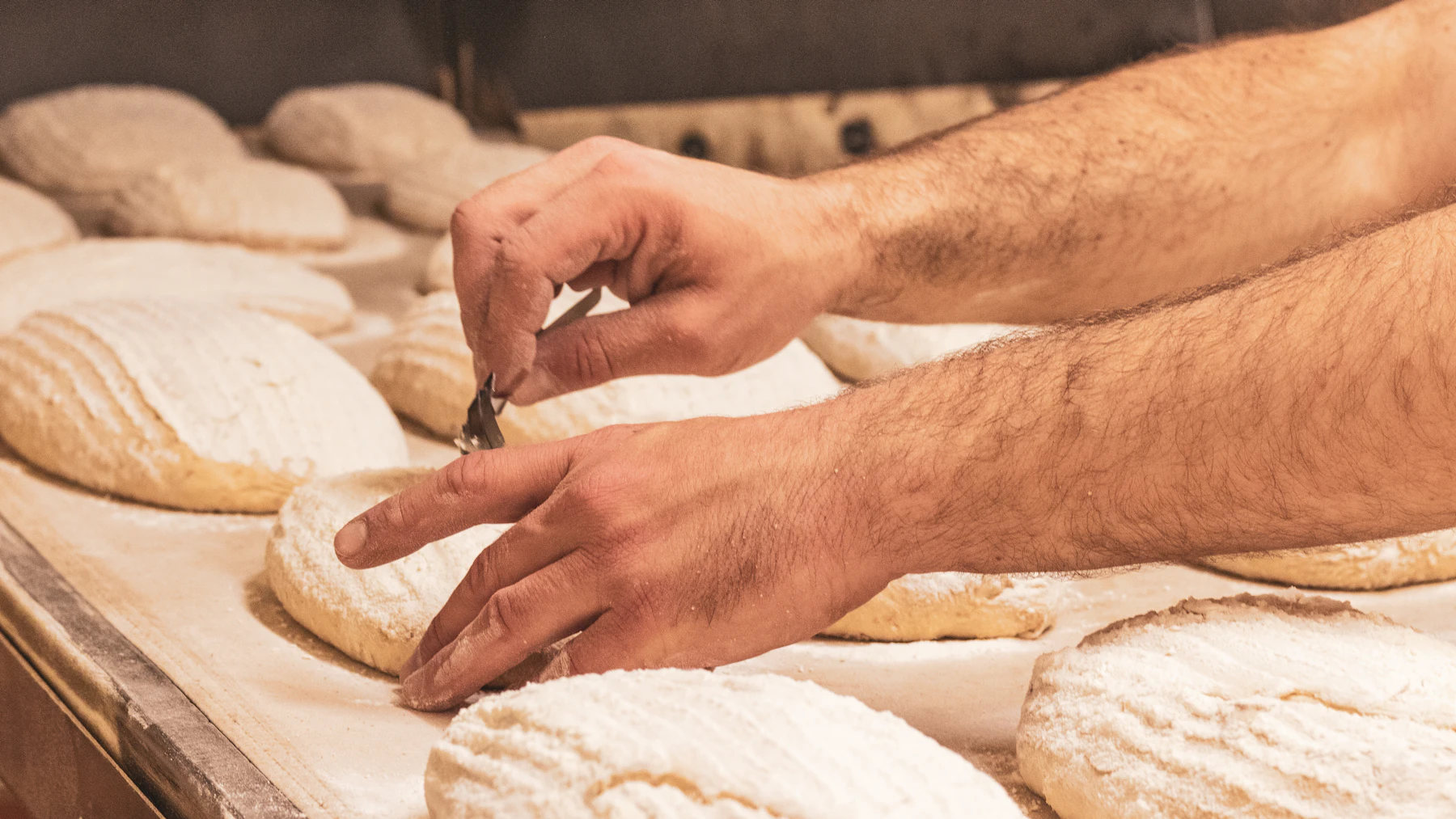
A family food business can begin with a small idea: something you enjoy making, people who want to buy it, and a chance to build something together.
Maybe your children have already named the business. Maybe you have been working out how many orders would fit around school, another job, and dinner in your own kitchen. The next question is practical: how do you turn that idea into a business you can actually run?
Indiana's Farm and Homestead Food Sales law, effective July 1, 2026, creates a new route for qualifying producers. Read HEA 1424.
Online sales and delivery are part of the opportunity. Choosing the right legal category comes first.
Two routes worth understanding
Indiana's Department of Health says the existing home-based vendor rules remain in force alongside the new homestead and small-farm rules. Its comparison table lists online sales and delivery for both. Indiana Department of Health guidance, pages 1 and 4–5.
| Route | The starting distinction |
|---|---|
| Home-based vendor — the 2022 law | Production at a primary residence; foods that do not require time/temperature control for safety |
| Homestead vendor or small-farm operator — the 2026 law | Operations on qualifying property or a small farm; broader food categories, including prepared foods, subject to applicable restrictions |
The state's comparison table is a useful first read. “Home-based vendor” and “homestead vendor” have different legal meanings; avoid borrowing a rule from one and applying it to the other.
What online sales and delivery require
For the 2026 homestead/small-farm route, key conditions include:
- Qualifying property: an owned or leased primary residence or agricultural property, with eligible products primarily derived from the qualifying location.
- Annual qualifying gross sales no greater than $1.5 million.
- Sales directly to the end consumer.
- Shipping or delivery only within Indiana, in sealed packaging, with a food-handler certificate from an ANSI-accredited issuer.
- A label for packaged food, or a sign for unpackaged food, containing the producer's name and address, product description, ingredients in descending weight order, possible allergen contact, and the prescribed disclosure in at least 10-point type.
- Handling, refrigeration, transport and storage that prevent contamination or adulteration.
These are selected requirements, not a complete compliance checklist. Use the actual law, particularly IC 16-42-5.4 §§6–9, for the precise wording and required disclosure.
State guidance also requires foods needing packaging to be prepared and packaged at the property before transport; it restricts further manipulation after packaging. That matters when planning market service or reheating. IDOH guidance, page 7.
For the 2022 home-based vendor route, all vendors need the specified food-handler certificate. Online sellers must make the product label available on their selling webpage, and shipped-sale records must be kept for at least one year. Shipping or delivery outside Indiana is prohibited under this route too. Indiana's home-based vendor FAQ.
Confirm your particular food, sales method and property setup with the relevant authority before opening orders. The county resource page brings the two laws and their guidance together.
Prepared food does not mean every meal
Meat and poultry need particular attention. Indiana's Board of Animal Health says their slaughter, processing, packaging, labeling and sales requirements were not removed by the new law. Its August 2026 guidance explains that prepared foods containing meat or poultry can remain subject to inspection requirements or a specific applicable exemption. Buying inspected meat does not automatically make the finished meal eligible. BOAH meat and poultry FAQ.
For a meal such as meat lasagna, ask BOAH about the finished product and the appropriate production route before taking orders.
Build it with your children
A small food business offers plenty to think about together. What would you call it? Who would enjoy the product? What makes an order worth buying again?
Start with learning exercises: sketch a logo, compare packaging ideas, make a practice budget, or work out how a price changes when an ingredient costs more. Give children room to contribute ideas and understand the decisions.
Actual business work needs a separate check. Federal rules provide a limited parental-business exemption, with restrictions that still apply. Family ownership is not a blanket exemption from child-labor law. U.S. Department of Labor guidance. Check ages, duties and hours with Indiana's Youth Employment Division; hazardous equipment and delivery driving deserve particular care under federal youth-work rules.
Our recommendation is to keep an adult responsible for the business account, payments, customer contact and operating decisions. Let participation fit the child, their interests and the applicable rules.
Make the first batch manageable
Once you have confirmed an eligible product, plan a small first offering. Choose a quantity you can make well, an order cutoff, and a pickup or delivery arrangement you can reliably fulfill.
A practice calculation can make the business feel concrete. Suppose a batch costs $24 for ingredients and $6 for packaging, and produces 12 saleable units. That is $2.50 per unit before labor, utilities, fees, delivery and other costs. It is a starting calculation, not a recommended selling price or a profit forecast.
Write down what you promised customers. Afterward, compare the plan with what happened: quantities, time, costs and the questions people asked. That gives the whole family something useful to learn from before the next offering.
Software for food families, by food families
Chyve Food Operations grew from a family food-business idea. Sonny and his children wanted to sell homemade lasagna; finding software that fit the work led to Sonny's Kitchen Manager and then Chyve Food Operations.
The questions behind that work are familiar: What are we making? What do we need? How much can we handle? When can customers collect their orders? What did the food cost us?
Chyve brings products, ordering, kitchen capacity, recipes, stock and food costs into the operation you're running. The software helps organize the work; you remain responsible for choosing eligible products and meeting the rules that apply to your business.
Your first offering can be modest and still matter. It can be a way to earn, a way to learn, and something your family builds together.
Explore Chyve Food Operations or tell us about your food business.
This article provides general information about Indiana rules as checked on September 18, 2026. Requirements depend on the product and operation; use the linked official guidance and confirm your circumstances before selling.