

Selling a service is different from selling a meal
A date, a scope and a shared understanding matter as much as the menu when work is booked in advance.
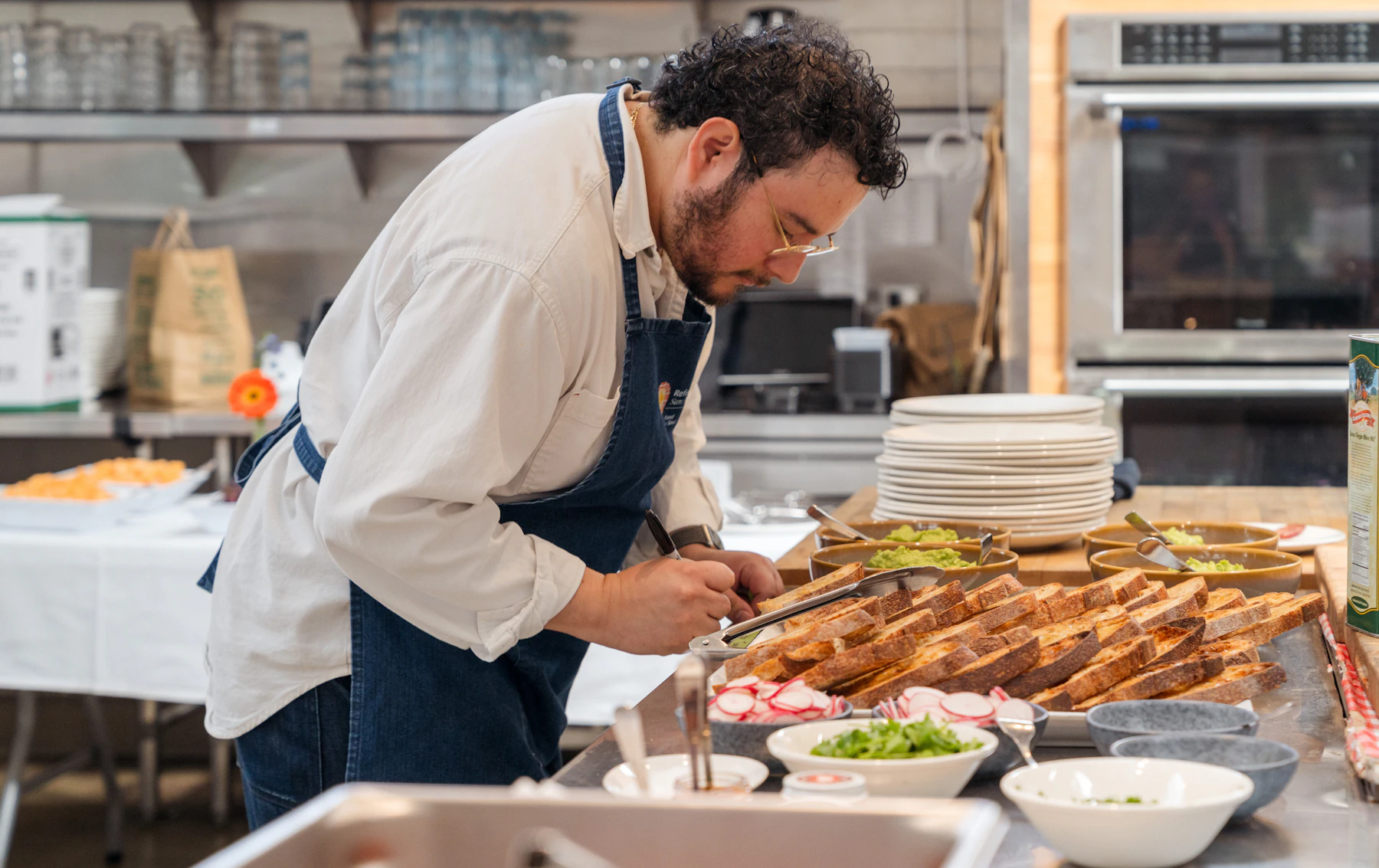
An order for a prepared meal can be a fairly specific request: a product, a quantity and a handoff. A catering or venue enquiry often begins with much less certainty. The customer has a date and an occasion, but the size, service and practical arrangements may still be taking shape.
Treat that uncertainty as information to gather. A useful enquiry process helps both sides discover what needs to be agreed before the business commits people, equipment and time.
Describe the work, not only the food
A hypothetical event enquiry for 30 people might mean delivery of prepared food, a staffed service or preparation at the venue. Those are different jobs even if the menu sounds similar. Ask what the customer expects and explain what the proposed service includes.
Other practical questions may involve timing, access, equipment, setup, cleanup and the person making decisions on the day. Keep unanswered points visible so they do not silently turn into assumptions in the quote.
Keep the stages understandable
An enquiry tells you someone is interested. A quote describes a proposed scope and price. Agreement records what the parties have accepted. A payment records a financial event. A place on the working schedule records an operational commitment.
Those stages may be connected in your process, but each answers a different question. Do not rely on a payment notification alone to explain the full scope of a booking, or assume a conversation has completed the steps your business requires.
Make changes traceable
When a customer changes a date, guest count or service requirement, compare it with the agreed version. Identify what else needs review: staff, supplies, capacity, price or timing. Then confirm the revised arrangement through the process you use.
Use the actual terms appropriate to your business for deposits, changes and cancellations. This article is about organizing the work; it is not a contract template or a statement of either party's legal rights. Keep the commercial agreement accessible to the people responsible for handling the booking.
Prepare a handoff the team can follow
Before the service, make a concise working brief from the confirmed information. It should identify the event, location, timing, scope, relevant contact and outstanding questions. Make clear which version is current and who can approve a change.
Afterward, record the practical lessons while they are fresh. Did access take longer than expected? Was the setup responsibility clear? These details can improve the next enquiry form and quote. A service is easier to deliver when everyone is working from the same understanding of the job.