A little help with the week: finding your meal-prep rhythm
A recurring meal-prep service works best when it fits the way your household actually eats. Start with the meals that need help, then agree on portions, variety and handover.
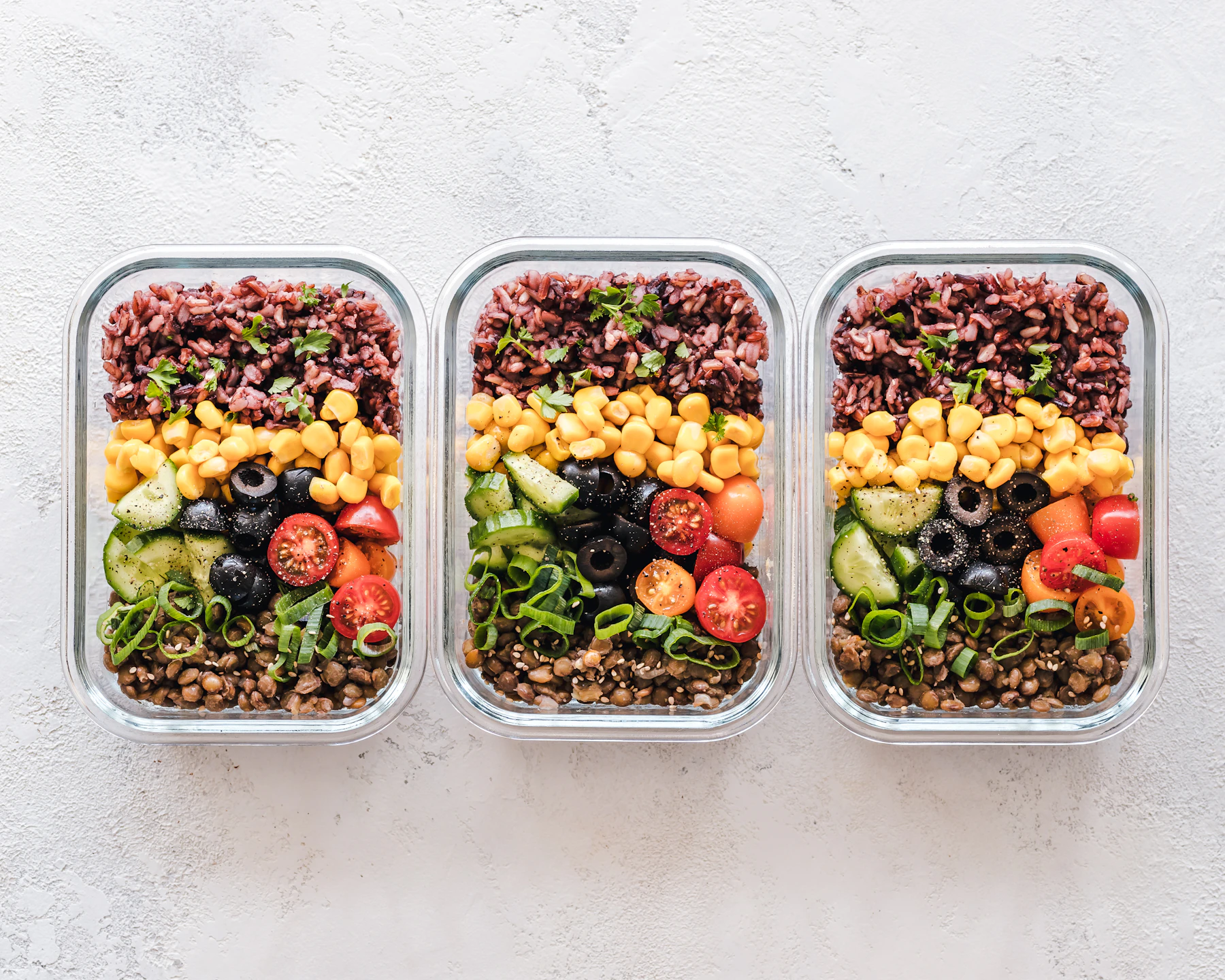
Some weeks, the difficult part of dinner is deciding what to make. Other weeks, it is finding time to shop, prepare and clean up. A meal-prep service can help with those jobs in different ways.
Before choosing a large plan, work out where you want the help. You may need weekday lunches, a few dinners, prepared components, or a chef who cooks in your kitchen on an agreed day.
Plan around the meals you actually eat
Count the people and meals the service is meant to cover. Explain portion preferences, foods you enjoy and the amount of repetition that feels comfortable. A plan for five lunches is a different brief from a family’s evening meals.
Share allergies and dietary requirements before selecting dishes. If the plan needs to follow clinical dietary advice, use your qualified clinician’s guidance and ask the provider whether they can meet it.
Understand how preparation and handover work
Ask where the food is prepared and how it reaches you. In-home cooking, collected prepared meals and delivered meals are different services, with different arrangements to check.
Agree on packaging, labeling and the storage or reheating instructions you will receive. Make sure you have suitable space for the planned quantity. Follow the provider’s applicable food-safety instructions and ask about anything that is unclear.
Try a manageable first cycle
A short first arrangement gives you something useful to assess. Did the quantity fit? Were the collection or preparation times convenient? Which dishes did you look forward to, and which were left over?
Talk through the next cycle using that experience. Adjust portions, the mix of dishes or the number of meals before adding more. A service earns its place in the week by being used.
Keep a recurring plan easy to change
Ask how menu choices, payments, pauses and cancellations work. Find out when the next order becomes a commitment and how much notice changes require. The household’s routine and the provider’s preparation schedule both need room to work.
A useful meal-prep rhythm can be simple: a clear plan, a reliable handover and food that fits the people eating it. Start with the part of the week that needs help and build from there.
For providers, describe the actual preparation and sales arrangement when checking eligibility. The state opportunity matrix keeps these questions separate from shelf-stable home-food categories.