Bring the tasting room to your table
A guided tasting gives guests a way to slow down, compare flavors and learn together. Plan the format, what is included and who supplies or serves the drinks.
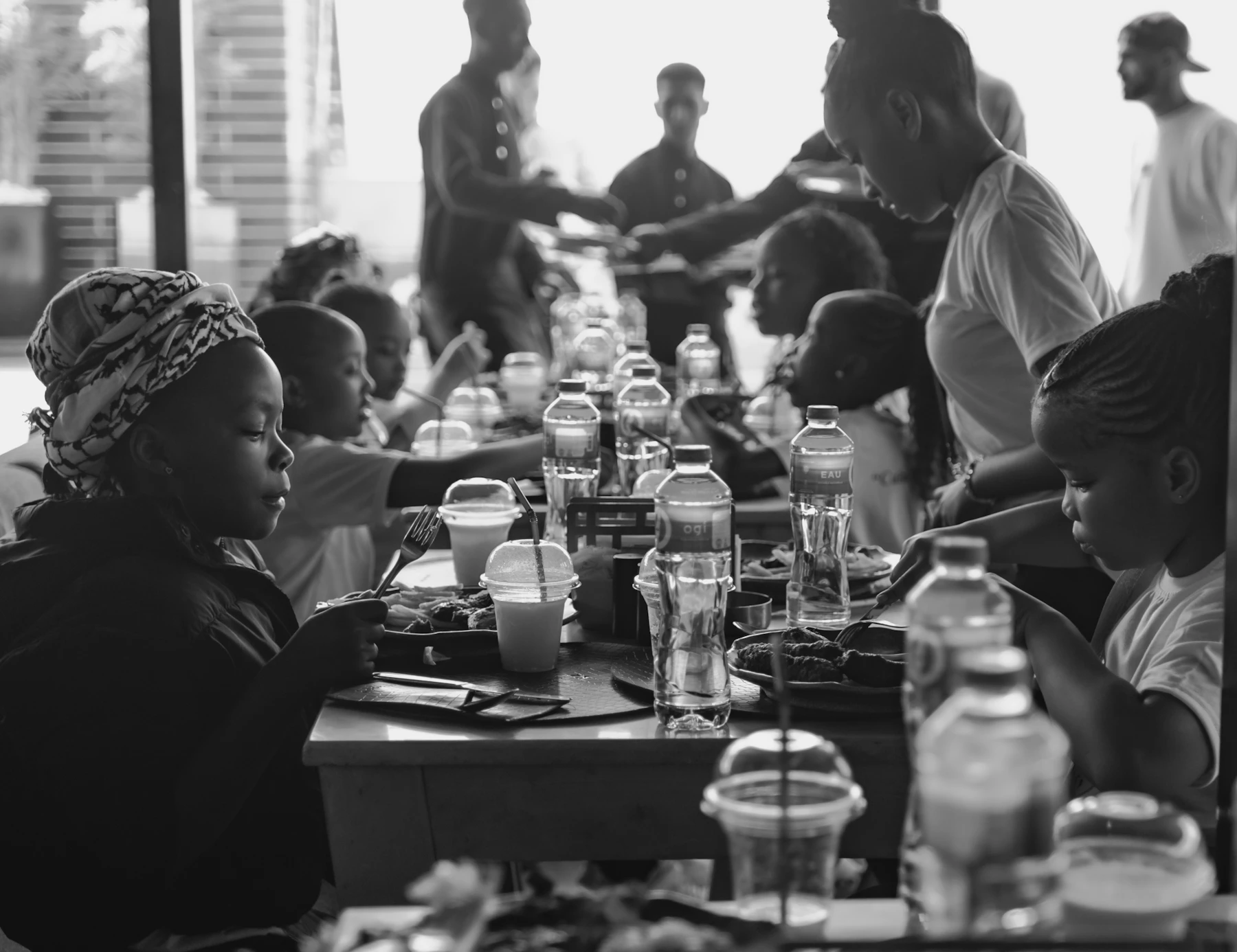
A tasting can turn a familiar table into a place to discover something new. A sommelier might guide a group through wines; a mixologist might explain how a drink is built. A culinary specialist could lead a tasting of chocolate, tea or a selection of seasonal ingredients.
The appeal is the person guiding you. Their knowledge gives guests a way to notice differences, ask questions and enjoy the occasion together.
Choose the kind of evening you want
Decide whether the event is a demonstration, a guided tasting or a hands-on class. Ask how many people can comfortably participate and how long the session takes. A small group can allow more conversation than a large presentation.
Share the group’s experience level. A welcoming introduction needs a different approach from a technical tasting for enthusiasts. Ask about food pairings and alcohol-free alternatives where appropriate.
Be precise about what is supplied
Who purchases the drinks or ingredients? Who transports and serves them? What is included in the price? Confirm glassware, equipment, food and cleanup as well as the specialist’s time.
Alcohol-related requirements depend on the location and the activities involved. Supplying alcohol, serving it and teaching a class need to be described accurately when checking the applicable rules. A ticket or a bundled price should not be treated as automatic permission.
Make the table work for the session
Ask what space and equipment the specialist needs. A tasting benefits from a clear surface, enough seats and a pace that gives people time to compare and talk. Keep competing aromas and distractions in mind when choosing the setting.
Confirm arrival, setup and departure times. If guests are bringing something themselves, make the instructions explicit so the host is not trying to resolve missing ingredients at the start.
Give guests something to take with them
A simple set of notes can help people remember the flavors, techniques or producers they discovered. Ask whether the specialist provides a recipe, tasting sheet or list of ingredients.
The evening can be memorable without being elaborate. A good guide, a thoughtful selection and space for questions give people a reason to enjoy the details.
Our state opportunity matrix treats alcohol and culinary service as separate questions. For the wider idea, read More than a meal: discover the talent near you.