What local-first means at Chyve
Start with the people doing the work nearby, and make room for the wider relationships that help them.
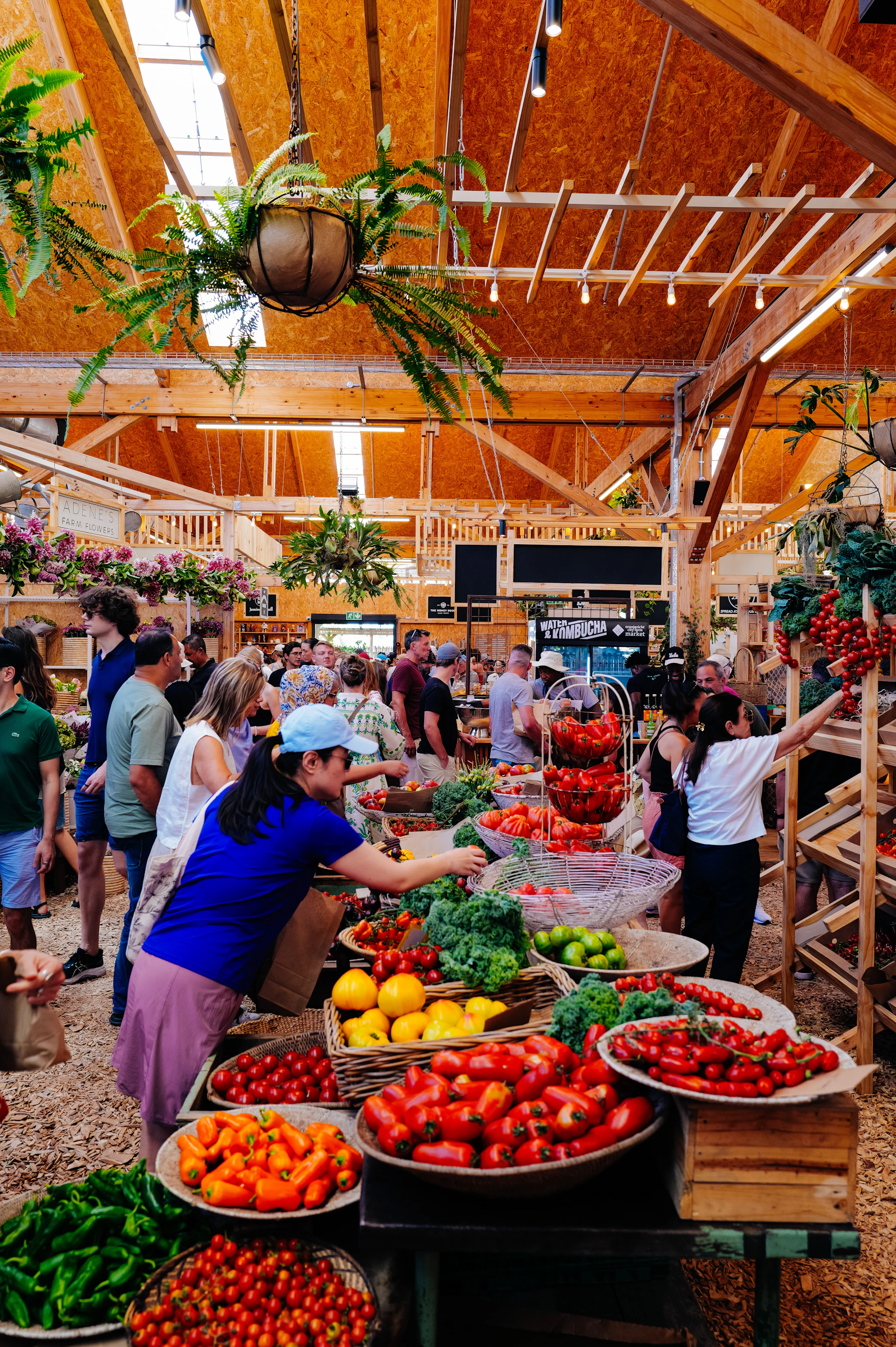
A local food economy becomes easier to understand when you picture a real working day. Someone grows an ingredient. Someone prepares a meal. A shop, market or venue provides a place to sell it. A customer decides whether the offer fits their budget, schedule and preferences.
Chyve's local-first approach starts with those people and their practical relationships. It asks what would help them do the work and find one another. Geography matters, but a nearby address alone does not tell us whether an arrangement is useful or dependable.
Start with a specific exchange
Imagine a producer and a caterer discussing a weekly supply. The important questions are ordinary ones: what is available, in what quantity, by what date, at what price, and who will confirm a change? These details determine whether the two businesses can plan around each other.
That example is hypothetical. The point is that a relationship becomes usable through clear commitments. A directory entry or a friendly introduction can begin the conversation; it does not complete the purchasing or delivery arrangement.
Keep the wider connections
Local businesses may use equipment made far away, ingredients that do not grow nearby, or services operated across a region. Those connections can be valuable. Starting locally does not require pretending the rest of the food system is separate.
We can also learn from a useful change made by a larger organization without treating everything that organization does as an example to follow. Look at the particular practice, the people affected and the evidence for its result.
Ask who can actually participate
A market time that works for one household may be impossible for another. An ordering method that feels simple to its owner may be difficult for someone using an older phone. A supplier's minimum quantity may suit a restaurant but overwhelm a small weekly offering.
These are questions worth asking before proposing another tool or gathering. Listening to the people who would use an arrangement can reveal a smaller, more practical next step than the one first imagined.
Build from the work people need to do
For Chyve, this perspective connects the everyday details of food operations with a broader purpose. Understandable products, quantities, schedules and records help people make commitments they can keep.
It is a direction for the work, not a claim that local food is always cheaper or that a particular community outcome has already happened. Useful progress should be described concretely: what changed, who chose to take part and what they can now do. That is the standard we want our own story to meet.