Food access begins with practical choices
Listen to the people who would use an offer before deciding what a better arrangement should look like.
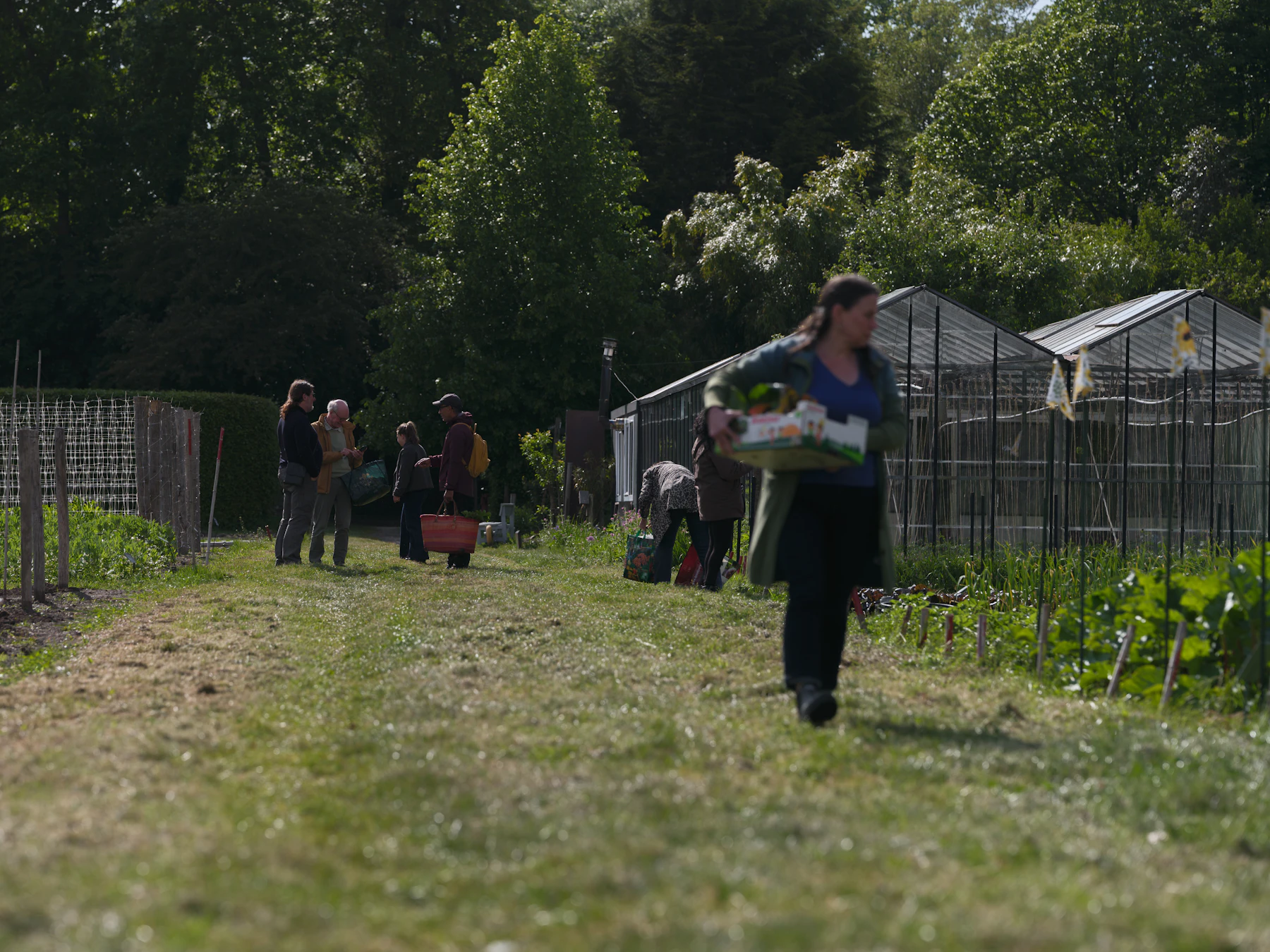
An offer can look useful on paper and still be hard to use. The pickup time may clash with work. The pack may be larger than a household can manage. The ordering page may leave an important question unanswered. Those details deserve attention alongside the food itself.
Chyve's interest in food access begins with the people involved: those preparing and supplying food, those looking for it, and those helping make a workable exchange possible. The first useful step is often a question rather than a new program.
Ask about a real day
Instead of asking only whether an idea sounds good, ask someone to walk through how they would use it. When would they order? How would they collect it? What would they need to know before committing? Let the answer reveal where the plan is awkward.
The same attention belongs on the provider's side. A new collection point or pack size creates work. Who would prepare it, keep the information current and handle a change? An arrangement needs to be manageable for the people offering it as well as the people using it.
Change one practical detail
Consider a hypothetical business reviewing its collection window after customers say it clashes with their working hours. It could investigate a different window, a second agreed collection arrangement or a clearer advance-order process. Each option brings its own work and constraints.
Choose a change that can be checked in practice, with the affected people involved in the decision. Avoid assuming one household's preference represents everyone. Record what was tried and what still prevented participation.
Be clear about what is being offered
If a community activity involves a business, venue or organizer, make the responsibility clear. Who confirms the offer? Who answers questions? What happens if it changes? A good intention does not replace those everyday arrangements.
Describe a planned activity as a plan until the people and resources are actually in place. Do not use broad impact language where a concrete account would be more informative. A specific change and an honest explanation of its limits are easier for others to assess.
Let the purpose guide the next question
The purpose matters because it changes what we pay attention to. It encourages us to notice the person who could not use the ordering route or the operator who could not sustain an extra task, as well as the person for whom it worked well.
For Chyve, this is a direction for building and listening. It does not announce a funding scheme, a charity status or a guaranteed outcome. Progress should be described through the real choices people can make and the arrangements they can reliably use.